
The ninth return of identified remains honours lives taken by ISIS and renews the call for truth, dignified burial, and sustained support for families still waiting.
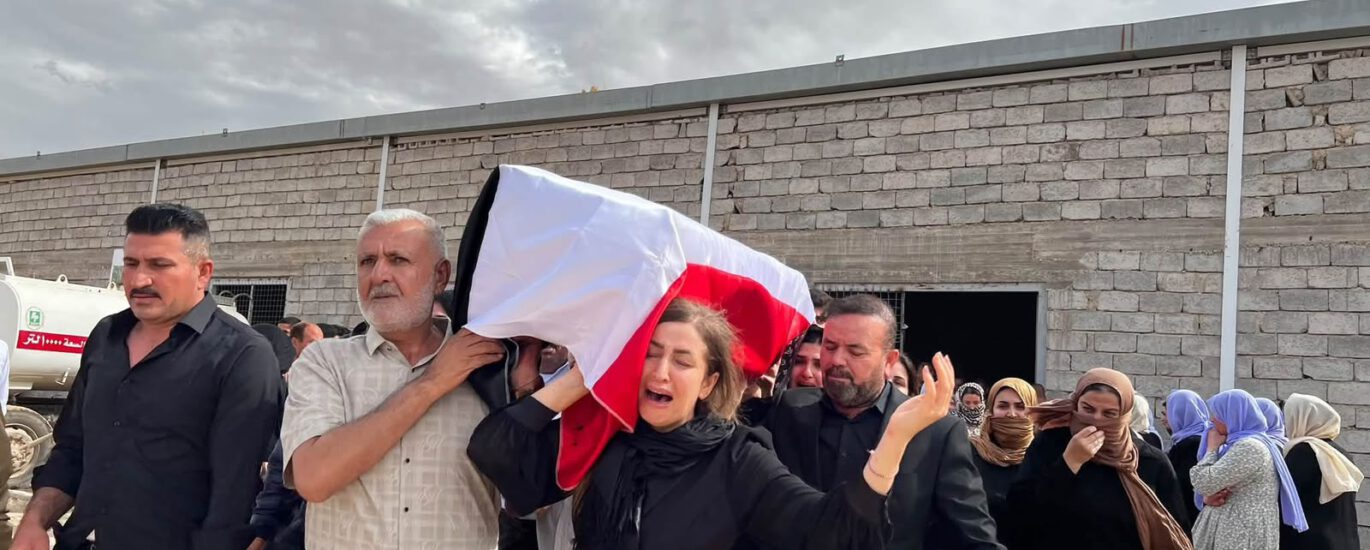
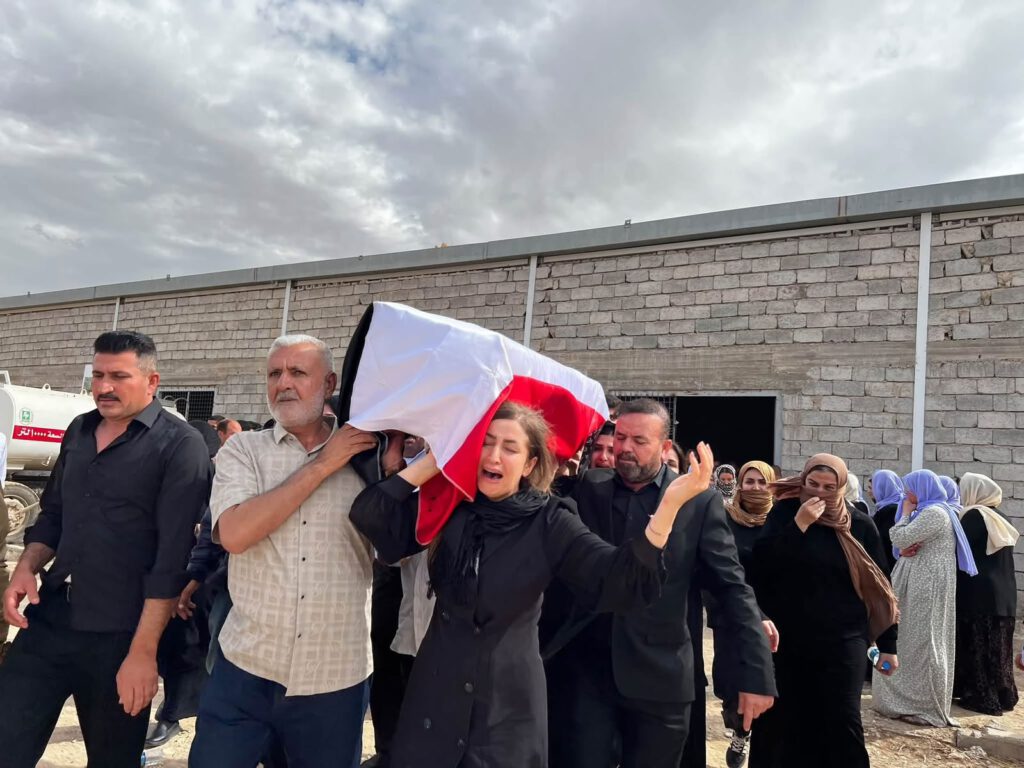
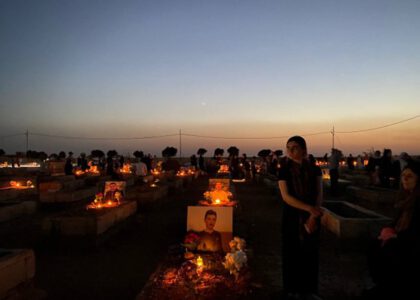
Sinjar, Iraq | 1 October 2026 — More than twelve years after ISIS launched its genocidal campaign against the Yazidi community, the remains of 25 victims were returned to Sinjar in the ninth handover of identified remains. For their families, the return brings a long-awaited opportunity to bury loved ones according to Yazidi religious traditions—and a painful confirmation of loss.
Behind each identification is a person whose life was taken, a family whose future was changed, and years spent searching for answers. Receiving remains can resolve uncertainty about a loved one’s fate. It cannot erase the violence, restore the years lost, or determine when a family’s grief should end.
Returning names, honouring lives
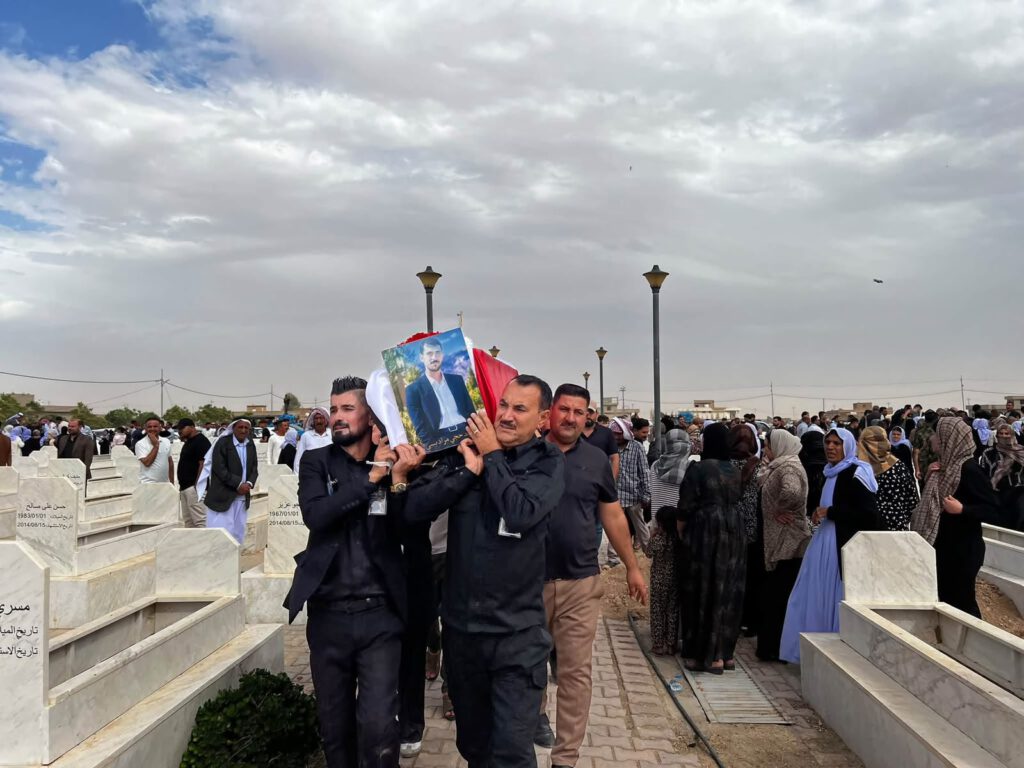
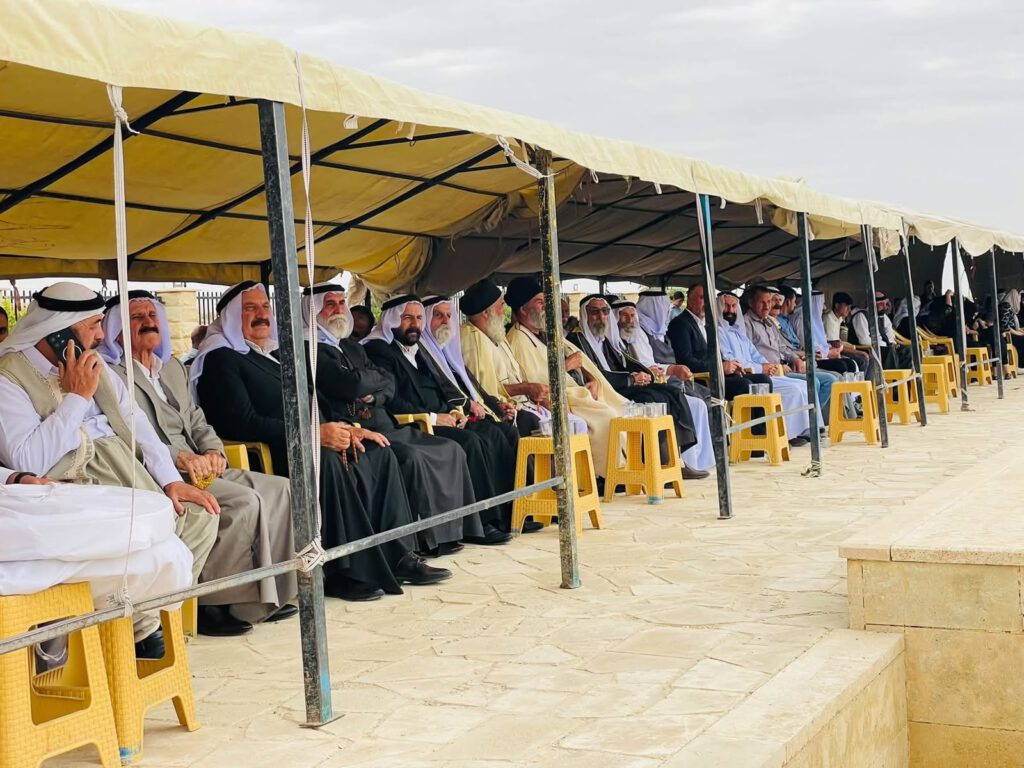
The remains were brought to the Yazidi Genocide Memorial in Solagh, Sinjar, for handover to families following religious rituals. The 25 victims came from five communities: 17 from Kocho, four from Hardan, two from Tel Banat, one from Wardiya, and one from Borek. Their identification was made possible through DNA matching with samples provided by relatives.
This ninth return brought the cumulative number of identified victims returned to families to 321, while approximately 530 recovered remains are still awaiting identification. Noting that there are 96 mass graves discovered in Sinjar region and surrounding areas, while 77 has been opened and exhumed by the Iraqi National Team, there are 19 mass graves yet to be opened.
These figures represent both progress and an urgent unfinished responsibility. Every identification matters. Every family still waiting deserves timely information, respectful treatment, and a credible process for finding answers.
Between hope and mourning
Among those receiving a relative’s remains was Khawla Ali, a counsellor with Farida Global Organization, whose uncle was among the 25 victims returned in this ninth handover. Speaking as both a family member and a counsellor, she described the hope and longing that continue to shape the lives of Yazidi families:
“We keep our eyes, ears, and hearts open, holding on to the hope that some of the more than 2,500 Yazidis who were abducted and remain missing may still return alive. For those whose loved ones have been recovered from mass graves, families are anxiously waiting to receive their remains, so they can bury them with dignity and have a place to visit and remember them.”
Her words express two urgent needs: to continue searching for those who may still be alive, and to identify and return the remains of those who were killed. Families deserve sustained support through both.
The genocide continues to shape families’ lives
Beginning on 3 August 2014, ISIS attacked Yazidi communities in Sinjar and surrounding areas, carrying out mass killings, abductions, sexual enslavement, forced religious conversion, and displacement. The consequences continue to affect survivors, bereaved families, and the wider community.
For families of the missing, uncertainty can shape daily life for years. The return of identified remains may make burial possible while also bringing renewed grief. Support must therefore extend beyond the handover ceremony, with access to mental health and psychosocial care, clear information, and practical assistance with documentation and relevant legal rights.
Families must be able to make their own decisions about mourning, remembrance, and public participation. Their privacy and religious traditions deserve protection throughout the process.
Truth and accountability require sustained investment
Recovering and identifying victims is painstaking work. It depends on protected burial sites, careful exhumation, forensic examination, DNA analysis, reliable records, and communication with relatives. Properly documented recovery also helps preserve evidence that can support investigations into the crimes committed.
For governments, international partners, and donors, the ninth return is a reminder that this work requires sustained resources and coordination. Priorities include strengthening Iraqi forensic and identification capacity; supporting the search for missing persons; preserving evidence; and ensuring that families can access trusted legal and psychosocial services close to where they live.
Funding should also enable survivor-led organizations and families to help shape the services and policies that affect them. Their knowledge and priorities are essential to an effective, respectful response.
Farida Global Organization’s commitment
As a survivor-founded and survivor-led organization, Farida Global Organization stands in solidarity with the families receiving their loved ones and with those whose search continues.
Our legal services, mental health and psychosocial support, and advocacy work reflect a connected commitment: survivors and families should have access to their rights, support through the consequences of genocide, and a meaningful voice in decisions about their future.
We call on Iraqi authorities and international partners to sustain the search, identification, and accountability efforts, and to invest in services that respond to families’ expressed needs.
The return of these 25 victims allows families to honour lives that ISIS sought to erase. It also renews a responsibility shared by authorities, civil society, and the international community: to keep searching, protect the truth, and stand alongside the families still waiting.
Every victim deserves to be identified and remembered. Every family deserves answers and the support to decide what comes next.
 English
  Deutsch